
Winter baby wellness is the top priority for many families during the chilly month of January. Because of the grey skies and constant nursery bugs, keeping little ones thriving is no small feat. Consequently, I’ve spent many nights researching how to handle chapped cheeks and indoor germs.
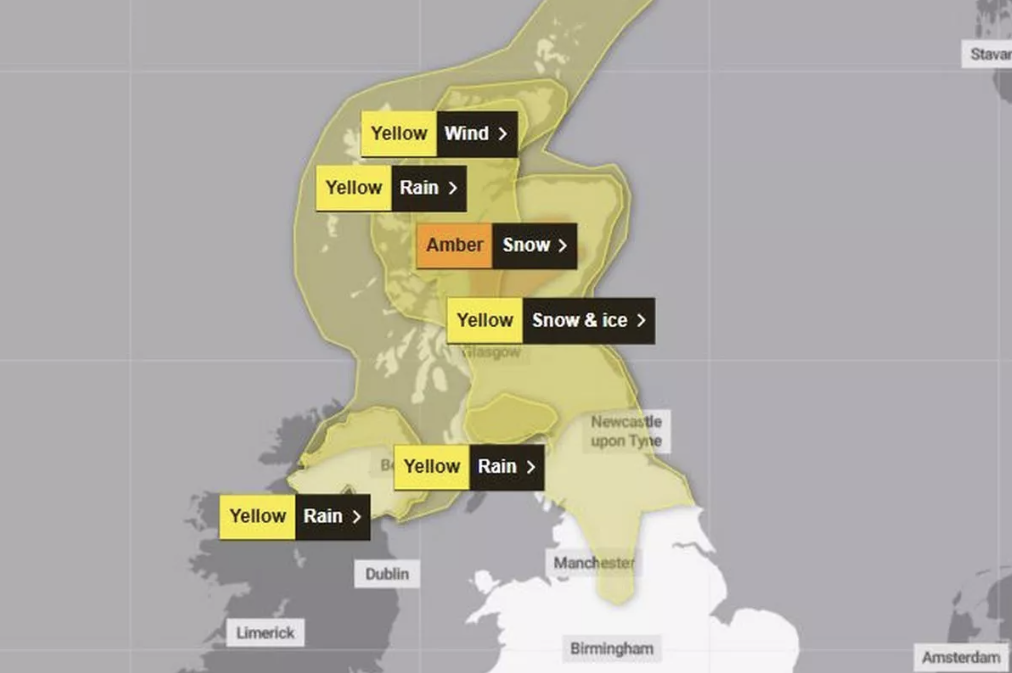
According to the Met Office, the recent “weather bomb” known as Storm Goretti has left much of the UK under a blanket of snow. Since temperatures are still hovering near freezing today, January 11 (while I’m writing this blog), here is my guide to keeping your little one happy this season.
If you’re new here and curious about the person behind these posts, you can learn more on my About page.
1. Feeding the “Blues”: Winter Baby Wellness and Nutrition
Furthermore, the lack of winter sunlight can often leave our toddlers feeling a bit extra cranky and out of sorts. Fortunately, I’ve discovered that simply tweaking what’s on their plate can do wonders for their energy and overall mood. Specifically, the experts at Solid Starts suggest focusing on iron–rich foods and B vitamins to help keep their little systems stable and happy.
For example, one of my favourite tricks is making “Hulk Pancakes” by blending fresh spinach into a simple oat batter—it’s a fun way to get the good stuff in! In addition, the NHS recommends serving up a portion of oily fish each week. This is because fish is a fantastic source of Vitamin D, which is so hard to get during these dark UK months. As a result, this natural “brain food” really helps to simmer down those restless winter tantrums.
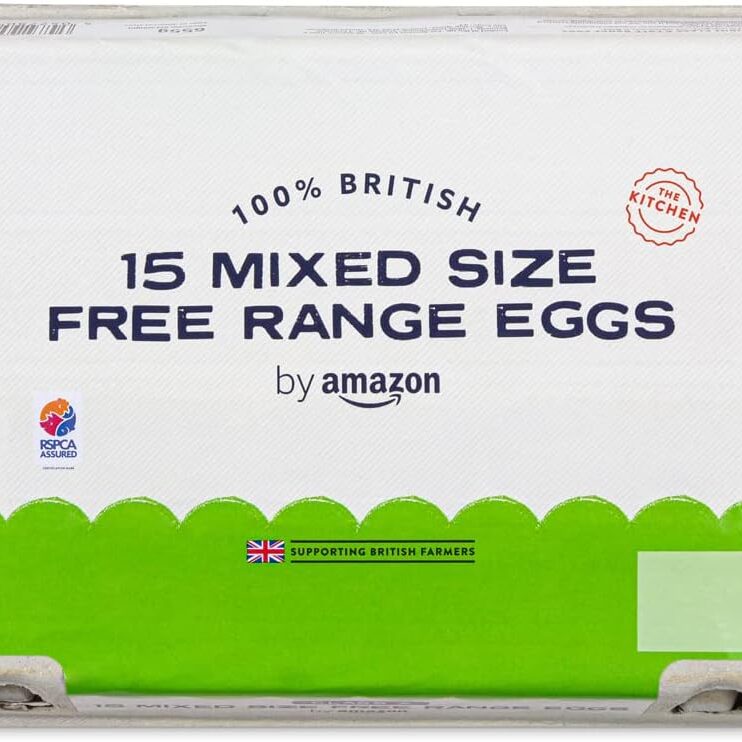
To help you get started, here is a lovely list of iron–rich foods the NHS suggests for your little one’s winter baby wellness. Specifically, you can offer soft meats like beef or poultry, as well as fish, eggs, beans, and lentils. Moreover, fortified cereals, leafy greens like broccoli, and even dried fruits like raisins are excellent choices. Interestingly, adding a little Vitamin C (like a squeeze of lemon or some berries) helps their bodies absorb iron from plants much better! Starting from 6 months, you can begin with smooth purees and then gradually move toward mashed greens and wholemeal bread as they grow.
Breakfast ideas for babies and young children:
- unsweetened porridge or lower-sugar cereal mixed with pasteurised whole or semi-skimmed milk and topped with fruit, such as mashed ripe pear or banana
- wholewheat biscuit cereal (choose lower–sugar options) with pasteurised whole or semi-skimmed milk and fruit
- lower-sugar breakfast cereal and unsweetened stewed apple with plain, unsweetened yoghurt
- toast fingers with mashed banana and smooth peanut butter (if possible, choose unsalted and no added sugar varieties)
- toast fingers with a hard-boiled egg and slices of tomato, banana or ripe peach
- toast or muffin fingers with scrambled egg and slices of tomato



Lunch ideas for babies and young children:
- lamb curry with rice
- cauliflower cheese with cooked pasta pieces
- baked beans (reduced salt and sugar) with toast
- scrambled egg with toast, chapatti or pitta bread served with vegetable finger foods
- cottage cheese dip with pitta bread, cucumber and carrot sticks



Dinner ideas for babies and young children:
- mashed sweet potato with chickpeas and cauliflower
- shepherd’s pie (made with beef or lamb and/or lentils or vegetarian mince) with green vegetables
- rice and mashed peas with courgette sticks
- minced chicken and vegetable casserole with mashed potato
- mashed canned salmon with couscous and peas
- fish poached in milk with potato, broccoli and carrot

2. Improving Nursery Air Quality
One trick I’ve learned for winter baby wellness is managing our indoor air. Because we tend to seal our windows tight to keep the cold out, the air inside can quickly become a bit of a “germ soup.” Therefore, I’ve realised the secret to a healthy nursery is focusing on air quality just as much as warmth.
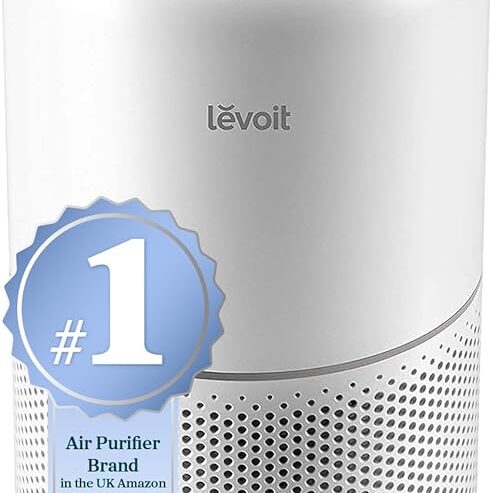
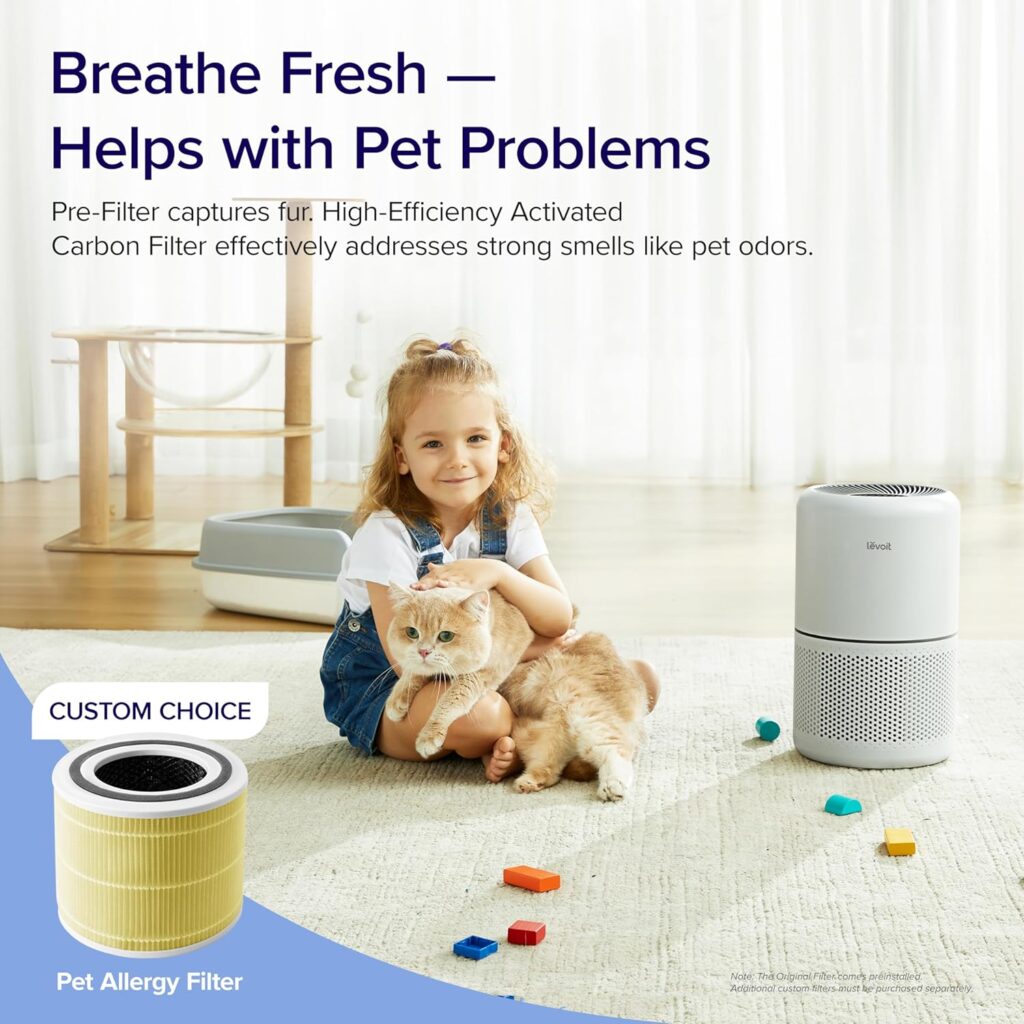
For instance, Emma’s Diary recommends keeping your little one’s room between 16°C and 20°C. To achieve this without opening a window and letting in a freezing draft, I’ve started using a HEPA air purifier. Specifically, I use the Levoit Core 300 (Amazon). In fact, it’s 100% ozone–free, which is so important for tiny lungs.
Fortunately, it’s incredibly quiet at just 24dB—which is basically a whisper—so it won’t wake the baby during naps. Moreover, it has a “Sleep Mode” where you can turn off all the display lights, keeping the nursery perfectly dark. In addition, it filters out 99.97% of dust and mould, which really helps if your little one suffers from congestion during these damp UK winters. Overall, it’s just a simple way to let everyone breathe a bit easier while we’re stuck indoors.

3. Winter Baby Wellness and Skincare
On the other hand, we must focus on protecting your little one’s delicate skin this season. Because an infant’s skin is 30% thinner than ours, the transition to freezing winds is quite harsh. Sadly, seeing red or cracked patches can be really upsetting for any parent.
First, please always follow your GP’s specific advice for any skin treatments. Specifically, the experts at Pampers.co.uk suggest several gentle ways to soothe and protect your baby. For instance, they recommend applying a fragrance–free moisturiser multiple times every day. In addition, try to avoid scented soaps, bubble baths, or harsh detergents that might cause irritation.
Moreover, your choice of clothing makes a big difference for winter baby wellness. Instead of wool or nylon, stick to breathable cotton fabrics. Additionally, keep the nursery cool to prevent sweating. This is because heat often worsens dry skin or eczema. To prevent further damage, keep their nails trimmed short or use anti–scratch mittens. Overall, staying away from triggers like pet hair or mould will help keep their skin healthy all winter long.
4. Cosy Indoor Connection
When weather warnings make it too icy for the pram, “cabin fever” sets in. Instead of worrying, use this time for cosy indoor bonding.
Meanwhile, you can channel your “nesting” energy into something beautiful while the baby naps. For instance, my Etsy shop, Love and Stitch Kits, offers creative projects for new parents. Overall, these kits bring warmth and creativity to long January afternoons.
My Quick Wellness Checklist:
- Layering: Follow the “one extra layer” rule for clothing.
- Vitamin D: Also, use daily drops as recommended by the NHS.
- Hydration: Additionally, offer extra sips of water to keep skin supple.
- Fresh Air: Finally, even 10 minutes outside helps reset their internal clock.
In conclusion, we’re halfway to spring, parents! Let’s keep those nurseries cosy.
Disclaimer: I am a parent sharing personal experiences. I am not a medical professional. Because every child is different, please consult your GP or health visitor before making dietary changes or if you have health concerns.